REVIEW · LONDON
London: 3-Day Stonehenge, Bath & South West Coast Tour
Book on GetYourGuide →Operated by Rabbie's Small Group Tours · Bookable on GetYourGuide
Stone circles feel different when you’re not rushing. This 3-day small-group tour links Stonehenge with the Jurassic Coast and then swings into moorland and historic cities, all with a live English-speaking driver/guide.
I especially like how it keeps you moving between iconic sites without turning the trip into a 10-minute photo sprint.
What I like most is the mix of ancient viewpoints and real time on the ground. You get Stonehenge admission included, plus time along the coast for places like Durdle Door, which is far more enjoyable when you can linger.
One consideration: you’ll be on a coach for long stretches, and day 3 returns to London around 7:00 PM. If you don’t like packed days, you may want to plan lighter expectations for the evening.
In This Review
- Key Things That Make This Tour Worth Your Time
- From Victoria to the Southwest: how this 3-day loop really works
- Stonehenge: the included ticket and why the timing matters
- Jurassic Coast to Durdle Door: fossils, limestone, and walking time
- Exeter for two nights: why this city base is a smart move
- Dartmoor day: ponies, clapper bridges, and open moor air
- Glastonbury Tor and Bath after lunch: myth, music vibes, and Roman steam rooms
- Price and value: what you’re really paying for at $668.11
- Comfort, timing, and the practical stuff that can make or break your trip
- Who should book this Stonehenge, Dartmoor, and Bath route
- Should you book this 3-day London to Stonehenge, Dartmoor, and Bath tour?
- FAQ
- Where does the tour start in London?
- What time do we return to London on day 3?
- How many people are in the group?
- What’s included in the price?
- Are meals included?
- Are attraction tickets besides Stonehenge included?
- How much luggage can I bring?
- Are there stairs in the accommodation?
Key Things That Make This Tour Worth Your Time
- Small group (max 16) means easier conversation and a more relaxed pace through crowded sights
- Stonehenge entry is included, so you only worry about where to stand and what to look for
- Two big natural areas: Jurassic Coast cliffs and fossil views, then Dartmoor with native ponies
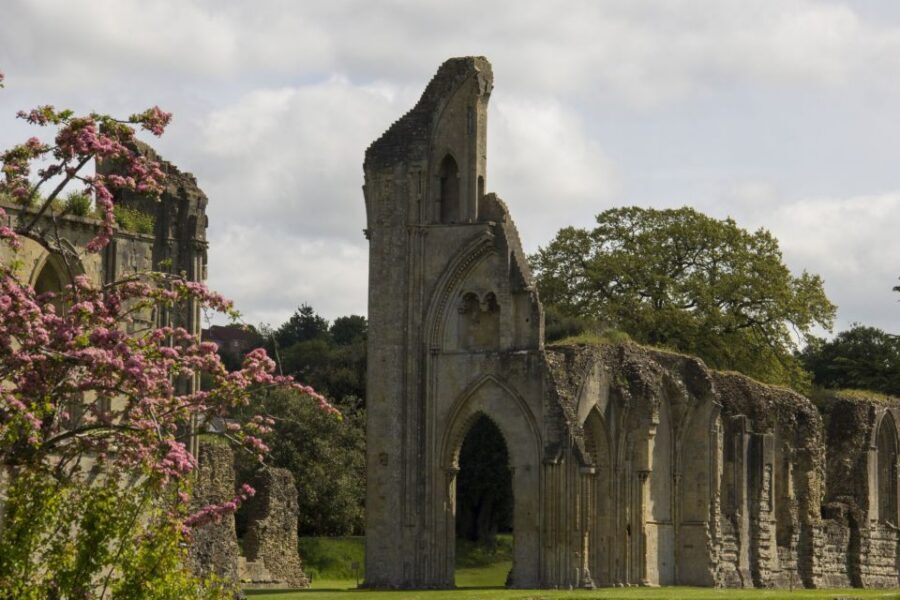
- Real stopovers, like the clapper bridge at Postbridge and Tavistock’s connection to Sir Francis Drake
- Exeter is your base for two nights, giving you a proper chance to explore at an unhurried pace
- Glastonbury Tor + Bath after lunch keeps day 3 from feeling like a straight commute day
From Victoria to the Southwest: how this 3-day loop really works
This tour runs as a classic southwest England route: London in the morning, ancient sites and coast during the day, then overnights in Exeter (two nights), and finally Bath and a return to London on day 3. Starting from Stand 3 at Greenline Coach Station in Victoria keeps it simple if you’re already near train lines and central hotels.
The big practical point is pacing. You’re not just “seeing” places from the road. The schedule includes real blocks for walking and exploring at key stops, especially at Stonehenge, Durdle Door, Dartmoor, and Glastonbury Tor. When you’re traveling this distance, that kind of on-the-ground time is what makes the memories stick.
Also, think about group size. With a maximum of 16 people, the coach doesn’t feel like a cattle lineup. It’s still a tour schedule, but you’re more likely to hear what the driver/guide is explaining and ask quick questions.
Other Stonehenge & Bath combo tours we've reviewed



Stonehenge: the included ticket and why the timing matters
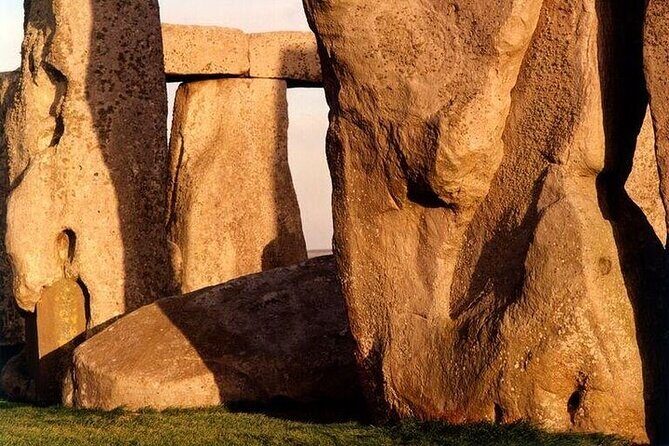
Day 1 starts with a drive through the historic kingdom of Wessex and then straight to Stonehenge. The main draw here is the famous stone circles themselves, but what you’re really paying for is context and access to the site with less hassle than organizing everything alone.
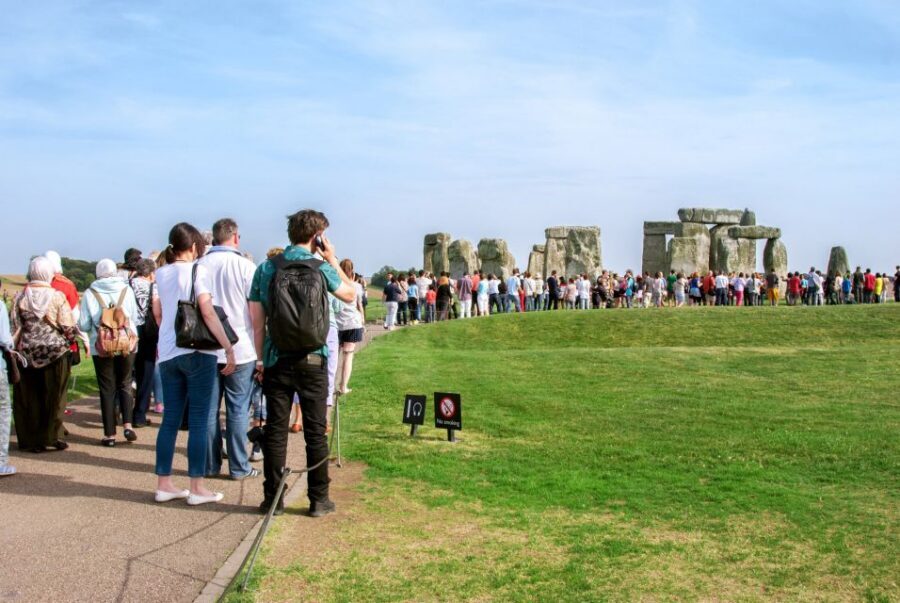
Since admission to Stonehenge is included, you don’t spend mental energy figuring out ticket types or entry timing. That matters on a busy day because Stonehenge is one of those places where the best experience often depends on when you arrive and how calmly you can take it in.
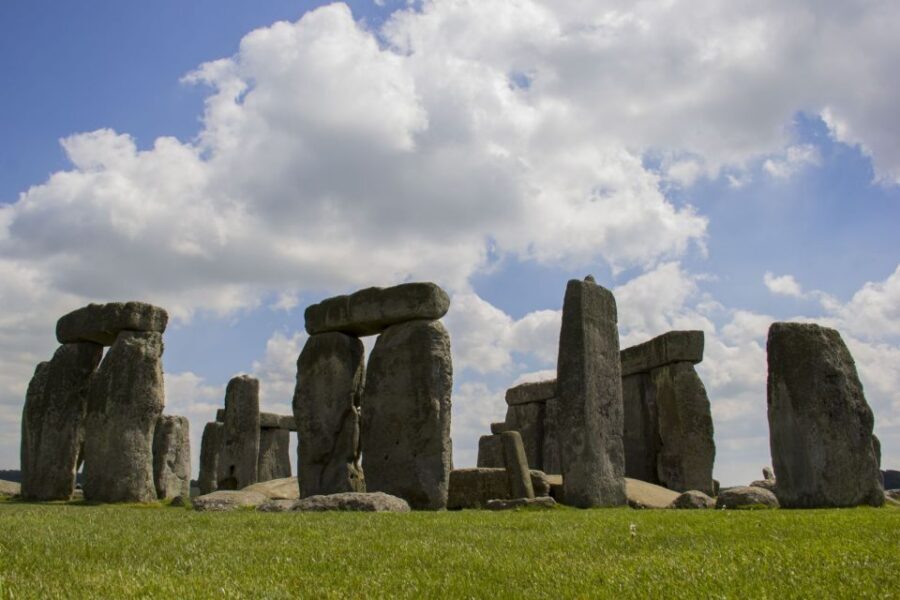
What to do there: slow down your gaze. The stones aren’t just “big rocks.” Focus on the shape and how the site reads from different angles. Your driver/guide will frame what you’re seeing in terms of the Neolithic spirituality behind the site, which helps you look past the postcard version.
Then the day shifts from human-made mystery to geology. You’ll be continuing on to the Jurassic Coast, which sets up the trip’s theme nicely: ancient humans first, then ancient earth.
Jurassic Coast to Durdle Door: fossils, limestone, and walking time
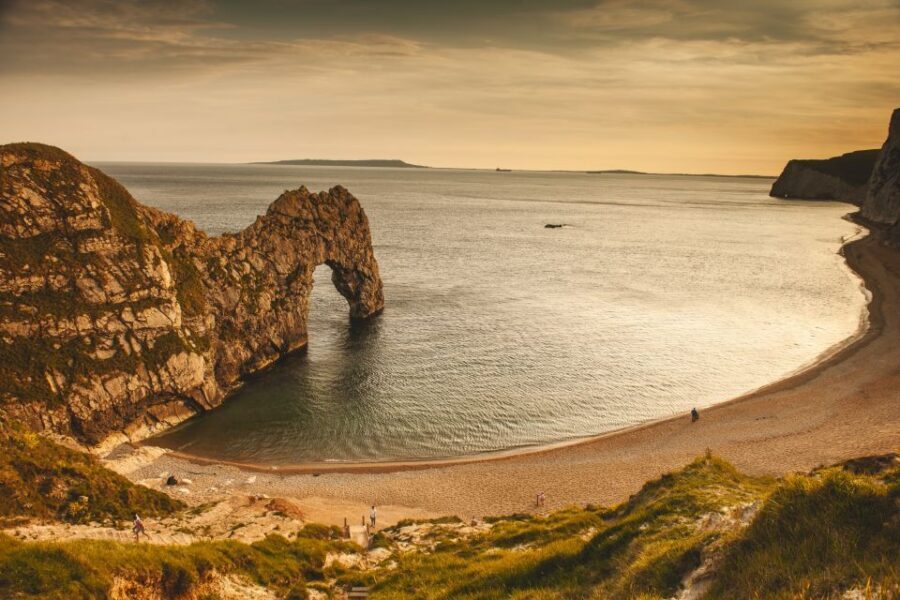
After Stonehenge, the tour moves to the Jurassic Coast, famous for cliff formations and fossil-rich geology from the age of dinosaurs. This is a different kind of “wow” than Stonehenge. Instead of human intention, you’re looking at time made visible in stone.
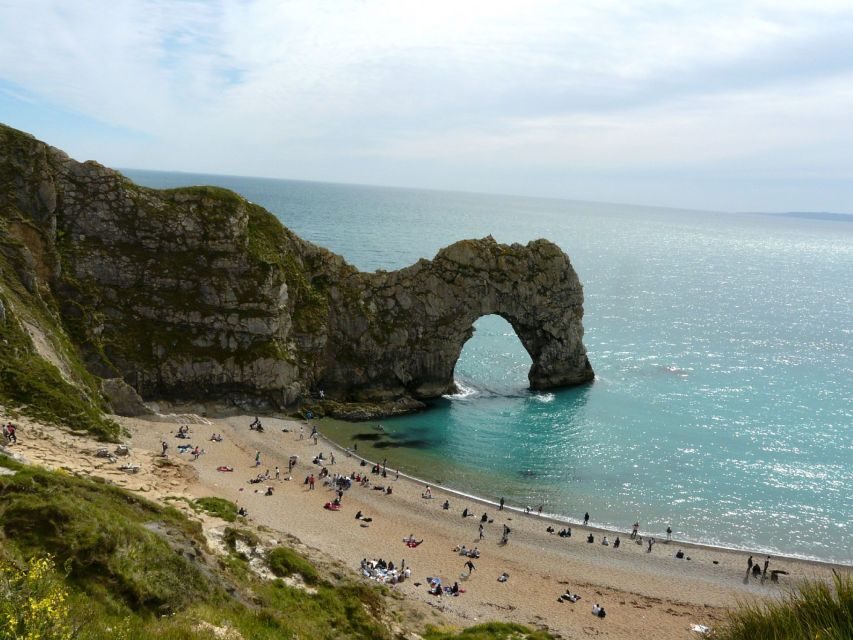
A key stop is Durdle Door, a limestone natural arch that juts into the ocean. The schedule includes time to explore along the coast, which is what turns it from a quick stop into an actual experience. If you only view Durdle Door from one angle, you miss the way the coastline changes as you walk.
Here’s how to get more out of it: take a few minutes to notice where the cliffs and the arch sit relative to the sea. Then walk far enough to see how the viewpoint shifts. You’ll still get the signature photo, but you’ll also understand why people keep returning to this stretch of coastline.
After that, you head to your first overnight base: Exeter, where you’ll stay for the next two nights.
Exeter for two nights: why this city base is a smart move
Landing in Exeter after a long travel day is a gift. It gives you a home base rather than bouncing from town to town every night, and you get two nights in Exeter. That extra time changes the feel of the tour: day 2 includes an early afternoon return, which gives you room to wander without rushing the next departure.
Exeter is described as a former fortified Roman city in Britain’s western edge, and the sights reflect that layered past. On your day 2 free-and-leisure exploration time, you’re looking at things like the city walls, a Norman cathedral, the Royal Albert Memorial, and the Quayside.
What I like about this approach is that you get both “big stop” places and “city walk” time. Stonehenge and Durdle Door are dramatic, but Exeter is where you reset your pace and soak up everyday historic England—cathedral stones, wall lines, and riverside energy. You’re also close to shops and restaurants, so you’re not stuck eating the same kind of quick meal everywhere.
One practical note: your accommodation is part of a selection of small, locally owned guesthouses and B&Bs, and the rooms are en suite. B&Bs can be on the outskirts, and you should be ready for a 20–30 minute walk to pubs and restaurants. If stairs are a concern, plan ahead because lifts won’t be available in this kind of property.
Dartmoor day: ponies, clapper bridges, and open moor air

Day 2 is where the tour really shifts gears into wild country. You explore Dartmoor, known for its remote, windswept feel and its wildlife—especially native ponies grazing near dramatic rock formations. Dartmoor isn’t just pretty from a distance. The point of the day is to get you onto the moor to experience that open feeling for real.
This is also a natural stop that benefits from having a guide. The tour’s description emphasizes Dartmoor’s diversity of flora and fauna, and that kind of attention helps you notice more than you would if you were driving yourself with only a map app.
You cross the ancient Clapper Bridge at Postbridge. That’s the kind of detail that makes a route feel thoughtful rather than generic. It’s a historic crossing, and it’s the sort of stop where you’ll probably want to pause and look at the construction and setting instead of treating it as a photo-and-go waypoint.
After Dartmoor, you head to Tavistock, a historic market town and the birthplace of Sir Francis Drake. That gives the day a cultural angle after the moor. The schedule doesn’t promise a huge attraction lineup in Tavistock, but it does give you a sense of how this region connects nature, local identity, and famous English figures.
Then you’re back in Exeter early afternoon, which is the perfect time to explore at a comfortable pace.
Other multi-day Stonehenge tours we've reviewed


Glastonbury Tor and Bath after lunch: myth, music vibes, and Roman steam rooms
Day 3 begins with Glastonbury, famous worldwide thanks to the Glastonbury Music Festival. Even if you’re not traveling at festival time, the town’s identity is tied to big music energy, which adds atmosphere.
The highlight is scaling Glastonbury Tor. The tour links the Tor to the mythical Avalon and King Arthur, which gives you story context while you’re up high. The practical value of this stop is that Tor views are best when you’re not rushing. Wear footwear made for walking.
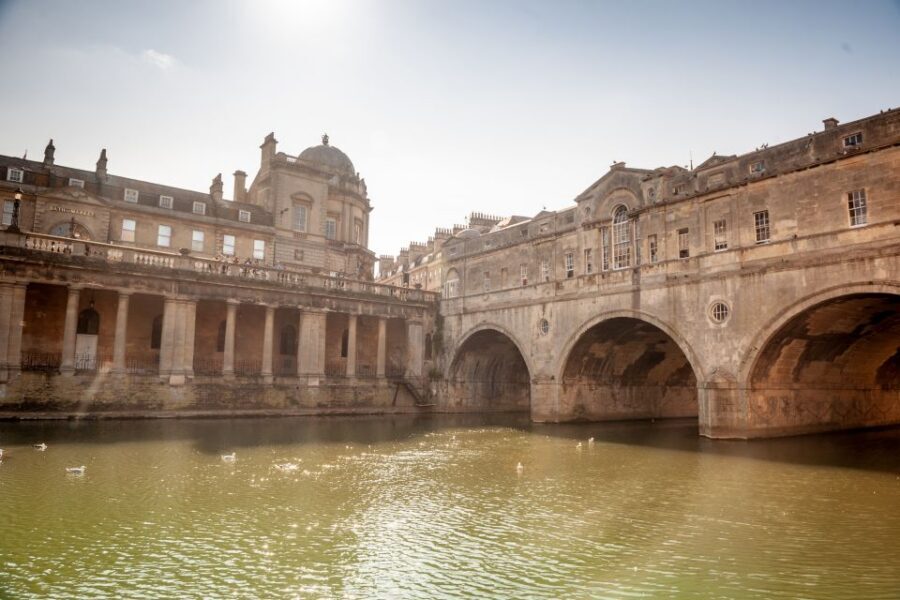
From Glastonbury, you make your way to Bath for lunch and a relaxed afternoon. This matters: Bath isn’t a “stare at the façade from a coach window” kind of place. You’ll have time to recharge and then explore the city at your own pace, using the restaurants, tea shops, or pubs as needed.
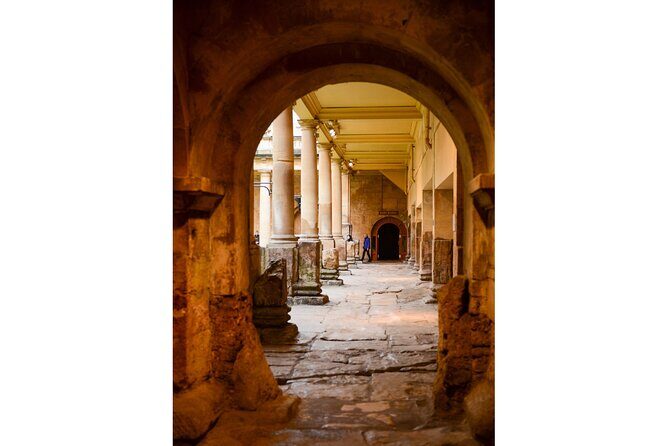
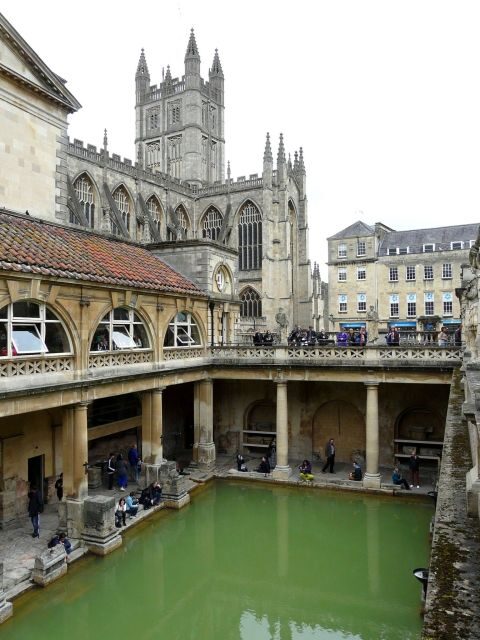
Bath itself is described through its Roman heritage, which is the reason people come back again and again. Even if you’re not planning a specific museum, the city’s layout and historic feel are the experience.
Finally, you return to London in the evening, with drop-off scheduled for around 7:00 PM.
Price and value: what you’re really paying for at $668.11
At $668.11 per person for three days, this tour isn’t trying to be the cheapest way to see the southwest. The value is in the parts that are hard to DIY smoothly.
You’re paying for:
- Top-of-the-range mini coach transportation
- A driver/guide (English-speaking)
- Two nights of en suite bed and breakfast
- Stonehenge admission included
That package can add up fast if you try to assemble it yourself: coach or train + transfers, two nights with the right location, and timed entry for Stonehenge. Here, the logistics are bundled so you can focus on where to walk and what to notice.
Also consider group size. With a maximum of 16, you’re not getting a mass-market experience. You’re paying a bit more than a big-coach tour, and you’re getting a more personal dynamic—especially helpful on days with longer talking points like Stonehenge and Dartmoor.
One more value tip: the tour doesn’t include food and drink, and it notes that visitor attraction entry fees aren’t included (Stonehenge is covered). So when you budget, think meal money plus any extra attractions you decide to add in Bath or Exeter.
Comfort, timing, and the practical stuff that can make or break your trip
This is a 3-day tour, which means your day starts early enough to make the long drives workable. Your comfort depends on how you pack and how you plan your walking.
Two practical details are worth highlighting:
Luggage: You’re restricted to 14 kg (31 lbs) per person, one piece of luggage similar to an airline carry-on size (about 55cm x 45cm x 25cm), plus a small bag. If you travel with a big hard suitcase or multiple bags, you’ll want to rethink your setup.
Stairs and rooms: The included B&Bs can be on the outskirts and often won’t have lifts. If you have difficulty with stairs, mention it ahead of time so they can try to place you accordingly.
Finally, bring suitable clothing and footwear for country walks. Dartmoor and Glastonbury Tor aren’t just a stroll. You’ll want shoes you trust on uneven ground.
Who should book this Stonehenge, Dartmoor, and Bath route
This is a strong fit if you want a “greatest hits” itinerary with enough time at each stop to actually feel the place. It’s especially good for first-timers to the region who don’t want to coordinate public transport across long distances.
You’ll likely enjoy it if you like:
- Ancient sites with guided interpretation (Stonehenge, Roman Bath context)
- Big natural scenery with walking time (Jurassic Coast, Durdle Door, Dartmoor, Glastonbury Tor)
- A pace that includes city wandering time in Exeter
It may be less ideal if you’re the type who hates coach travel or wants a slower, more independent pace. The itinerary is full, and day 3’s return to London around 7:00 PM means you’ll be ending the trip with a travel evening.
Should you book this 3-day London to Stonehenge, Dartmoor, and Bath tour?
If you want an organized route that balances iconic sights with enough walking time to make the scenery feel real, I’d book it. The mix of Stonehenge + Jurassic Coast + Dartmoor + Exeter + Glastonbury Tor + Bath is a lot for three days, but the structure makes it feel like a tour with purpose, not a rushed checklist.
My main “before you click book” check is simple: are you comfortable with long coach days and a fixed end time in London? If yes, this is a solid value way to cover the southwest without the stress of coordinating everything yourself.
FAQ
Where does the tour start in London?
You start at Stand 3 in the Greenline Coach Station, Bulleid Way, Victoria, SW1W 9SH. It’s directly behind Victoria Train Station and diagonally across from Victoria Coach Station.
What time do we return to London on day 3?
Drop off in London on day 3 is scheduled for about 7:00 PM.
How many people are in the group?
The tour is limited to a maximum of 16 passengers.
What’s included in the price?
Transportation by mini coach, a driver/guide, 2 nights of bed and breakfast accommodation, and admission to Stonehenge are included.
Are meals included?
Food and drink are not included.
Are attraction tickets besides Stonehenge included?
Visitor attraction entry fees are not included in general. Stonehenge admission is included.
How much luggage can I bring?
You’re restricted to 14 kg (31 lbs) of luggage per person, one piece like an airline carry-on, plus a small bag for personal items.
Are there stairs in the accommodation?
The included B&Bs and guesthouses may not have lifts. You should mention if you have difficulty with stairs.