REVIEW · LONDON
Private Archaeologist Guided Tour Stonehenge, Salisbury & Avebury
Book on Viator →Operated by Archaeologist Guided Tours · Bookable on Viator
Megaliths feel different with an archaeologist beside you. This private outing strings together the big names—Stonehenge and Avebury—plus the sites that explain how all that stone-and-wood life may have worked. I also love the chance to ask questions back-and-forth in a small group, not shout over background noise. One thing to budget for: Stonehenge and Salisbury Cathedral entrance fees are not included.
This tour runs about 11 hours with a dedicated driver and a luxury Mercedes (E-Class, V-Class, or Sprinter), so you spend less time wrestling with trains and more time actually looking at what’s in front of you. Starting at 7:30am helps you get moving early, and the private setup means you can slow down when something clicks for you.
You’ll do a moderate amount of walking on uneven ground, and the day keeps going in all weather. If you hate long tours, this may feel like a lot of stops; if you enjoy history with actual time to talk, it’s a strong fit.
In This Review
- Why This Tour Works: Private Archaeologist, Real Q&A
- The Real Value in a Private Archaeologist Day
- Getting There Early: 7:30am Start and Luxury Transport
- Woodhenge: Understanding the Wooden Roots Before the Stone
- Durrington Walls: The Builder’s Village Connection
- Stonehenge: How to See More Than the Usual Photo Angle
- Salisbury Cathedral and Magna Carta: Big Memory, Not Just a Detour
- Alton Barnes White Horse: A Quick Check-In With Wiltshire Folklore
- Silbury Hill: The Engineering Feat Hidden in Plain Sight
- West Kennet Long Barrow: A 5,500-Year-Old Doorway Into the Past
- Avebury Stone Circle: Where the Day Ends With Space to Breathe
- Value and Pricing: What You’re Really Paying For
- Who This Tour Fits Best (and Who Might Feel Crowded)
- Should You Book This Private Archaeologist Tour?
- FAQ
- What’s the duration of the tour?
- How many people are in the group?
- Are pickup and transport included?
- Which entrance fees are not included?
- When can you visit West Kennet Long Barrow?
- Is there walking on uneven ground?
Why This Tour Works: Private Archaeologist, Real Q&A
- Ask as many questions as you like and get answers tied to evidence, not guesswork
- A separate professional driver means your archaeologist can focus on you, not the road
- Small group up to 6 helps the pace feel personal, not rushed
- Early starts and short hops keep the day efficient, even with multiple sites
- Mix of megaliths and legal history means you’re not trapped in just one theme
The Real Value in a Private Archaeologist Day
A good guide can point at stones. A great archaeologist guide helps you understand why people bothered—where they got the materials, what the layout suggests, and what different theories can (and can’t) explain.
On this kind of private tour, you’re not stuck with a one-size-fits-all script. You can ask follow-ups as you walk: Why would timber circles matter when people think only about stone? How do earthworks fit into the same story as the standing monuments? What do alignments mean when the world has changed so much since then?
One more practical thing: transport is part of the value. You’re in an air-conditioned vehicle, and parking fees are included, so you don’t lose time figuring out logistics while the morning light is still good for photos and site viewing.
Other Stonehenge & Avebury stone circle tours we've reviewed
Getting There Early: 7:30am Start and Luxury Transport
The tour kicks off at 7:30am and runs close to 11 hours, which is a full day even by English-day-trip standards. The early start matters because these sites get busier, and you’ll want time to actually look, not just tick off a checklist.
You travel in a luxury vehicle with a dedicated driver. That matters more than it sounds. If your guide isn’t driving, they can stay present and keep your attention on the monuments—architecture, materials, and layout details—rather than constantly scanning traffic.
You’ll also want to pack light. There’s a limited luggage compartment, and no large items are permitted. If you’re traveling from central London with carry-ons, you’ll likely be fine, but don’t bring oversized bags.
Woodhenge: Understanding the Wooden Roots Before the Stone
Woodhenge is a prehistoric monument from the Late Neolithic period. Instead of stone standing up, it’s built from a series of six concentric rings of wooden posts—168 posts total—arranged in a symmetrical pattern. It’s thought these posts were possibly connected by lintels, meaning the structure could have looked more “whole” than just scattered timbers.
The idea here is simple but powerful: if you only know Stonehenge, Woodhenge expands the story backward. It reminds you that early monument builders used wood first, and that wood can be part of the “architecture” even when it doesn’t survive as long as stone.
Tip: Take a minute to picture what oak posts might have looked like when new—this site is based on excavation findings that the posts were made from oak trees. That small mental shift helps the rest of the day make more sense.
Woodhenge is a short stop (with admission listed as free), so you’re not stuck there. You get just enough time for your guide to explain what survives archaeologically and what we infer from it.
Durrington Walls: The Builder’s Village Connection
Durrington Walls is often described as Stonehenge’s builder’s village—and it’s a great pairing. This site includes a large circular earthwork over 500 meters in diameter, with two large timber circles inside. The timber circles likely had ceremonial uses, but the earthwork itself shows planning at a massive scale.
It’s believed to date to around 2600 BC, placing it very early in the broader henge tradition. The site is thought to have served as a ceremonial centre for the local population, which is a helpful counterpoint to the idea that everything important happened only at Stonehenge.
What I like about Durrington Walls is that it changes your focus. You’re no longer looking only at the monument as an object; you’re thinking about people gathering, building, and using space—maybe over and over again.
This is also a quick transfer stop, with admission listed as free, so you get context without eating up the whole day.
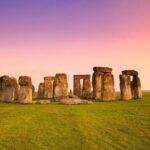
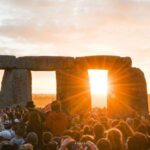
Stonehenge: How to See More Than the Usual Photo Angle
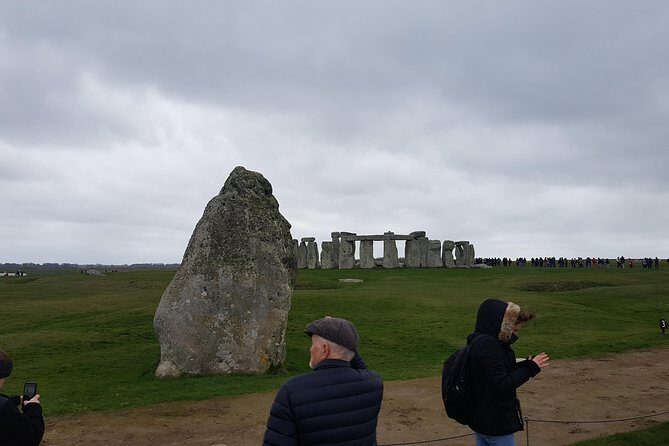
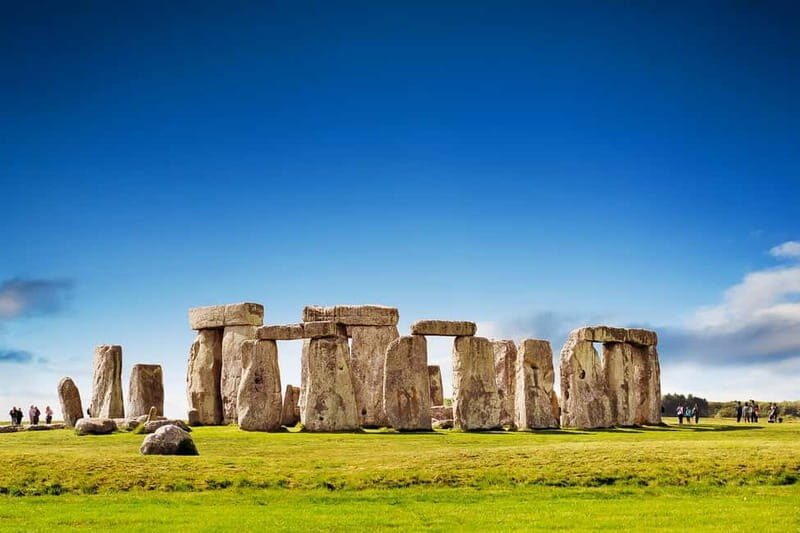
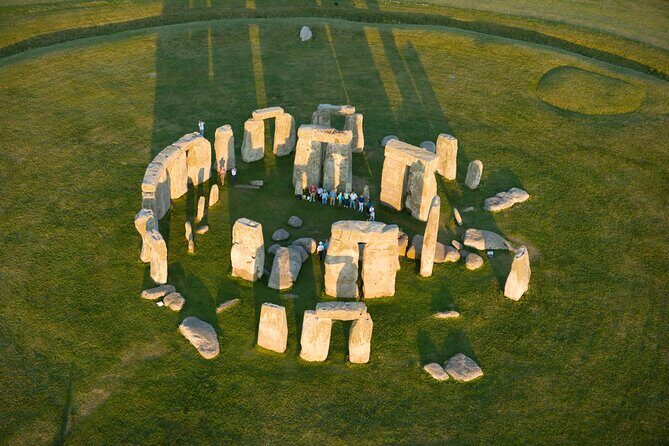
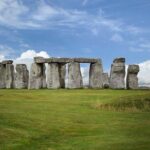
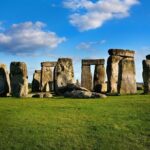
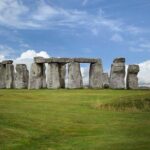
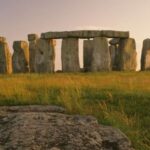
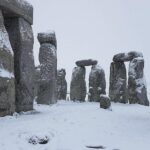
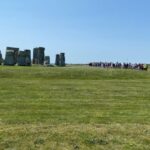
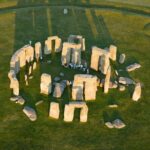
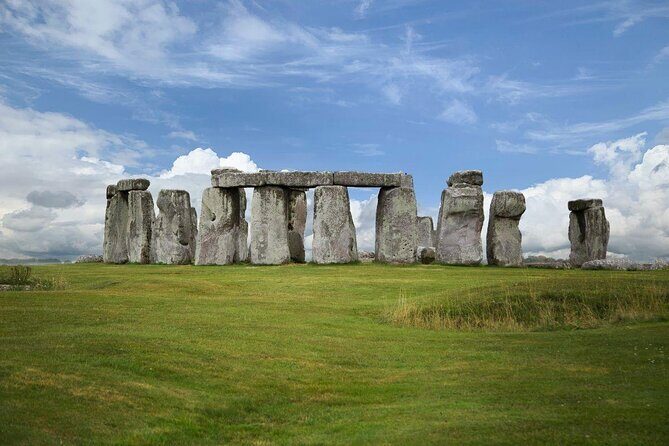
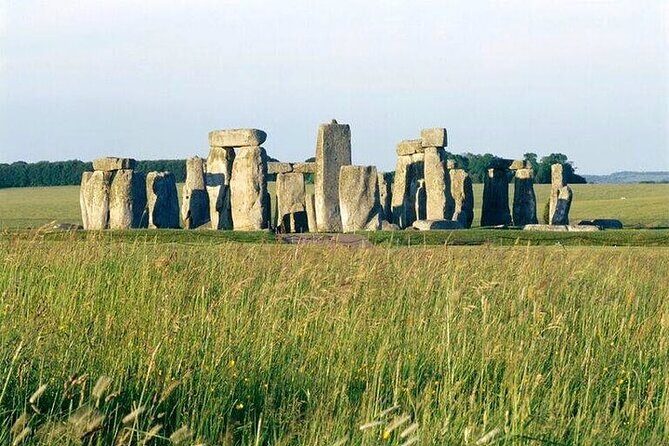
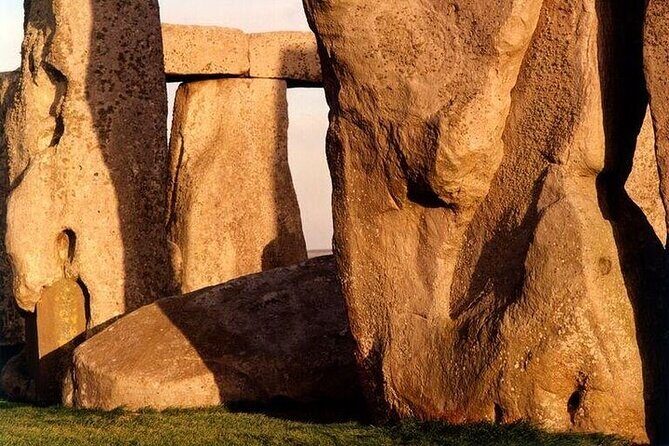
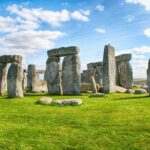
Stonehenge is famous, yes. But the best part of going with an archaeologist guide is the framing. You’ll get a sense of why people felt pulled to travel long distances to stand in the midst of it.
A big theme your guide can help you connect is human movement—Neolithic and Bronze Age travelers moving across the British Isles and continental Europe, possibly for weeks or months. Whether or not every detail of that migration story can be proven in one tidy sentence, the evidence of travel shows that Stonehenge wasn’t just local decoration. It mattered.
You’ll spend around 2 hours at Stonehenge, and that’s enough time to slow down. Rather than racing through, you can stop and ask questions as you go—about different theories, the meaning of the layout, and what archaeologists think is most likely based on the record.
Two practical notes:
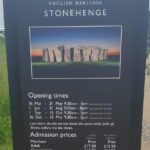
- Stonehenge entrance is not included (priced at £12.70 per person in the provided info).
- The tour time is private, but the physical site can still be uneven and weather-dependent, so dress for that.
If your goal is just a quick photo and out, you might find this day feels more “thinking” than “sightseeing.” If you want the explanation, the extra time at Stonehenge is a real payoff.
Other guided tours in London




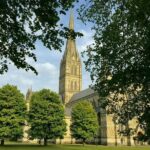
Salisbury Cathedral and Magna Carta: Big Memory, Not Just a Detour
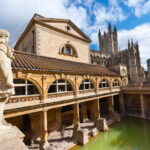
After Stonehenge, you head to Salisbury, roughly 30 minutes by drive. This is a nice pivot: you go from prehistoric monuments to a Gothic cathedral tied to one of the most discussed documents in Western legal history.
You’ll have around 2 hours to explore Salisbury and visit Salisbury Cathedral. The Magna Carta part is built into the experience: what it said, how it was interpreted over the following centuries, and why it still shapes culture, laws, and rights today.
Why this works in the middle of a day of megaliths: it gives your brain a second kind of “evidence.” Stonehenge asks you to read space and materials. Magna Carta asks you to read documents, interpretations, and lasting impact.
Cathedral entrance is not included (listed as £5.50 per person). If you’re trying to keep the day within a strict budget, that’s the kind of extra cost to plan for.
Alton Barnes White Horse: A Quick Check-In With Wiltshire Folklore
Then you’ll stop at the Alton Barnes White Horse, an engraving on Milk Hill. It’s a shorter, simpler stop compared with the major monuments.
This isn’t a bad thing. White horses are part of the wider Wiltshire story—human mark-making on the chalk hills—so it fits the day’s theme of people leaving symbols in the landscape over time.
If you prefer only the oldest sites, you might see this as a breather. If you like how local identity keeps layering on top of ancient ground, you’ll probably enjoy it.
Admission is listed as free for this stop.
Silbury Hill: The Engineering Feat Hidden in Plain Sight
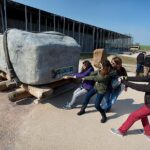
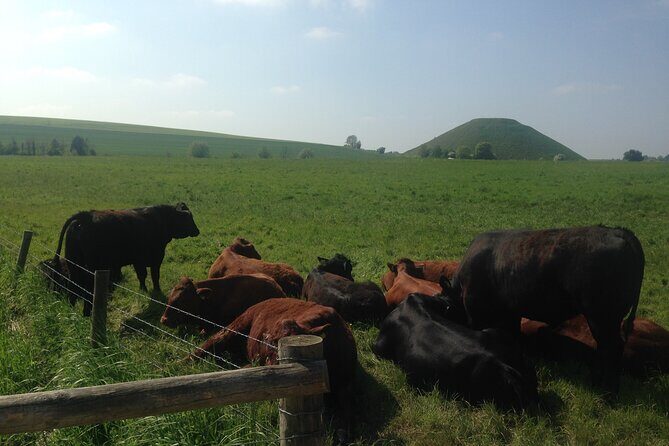
Silbury Hill is one of those places where the name sounds familiar, but the scale surprises you once you see it. It’s described as the largest man-made tumulus in Prehistoric Europe, and the tallest prehistoric artificial hill in Europe, standing 37 meters (130 feet) high with a base diameter of 160 meters (520 feet).
The construction technique is fascinating: it’s made from chalk and clay, built using a method called terrazzo, or pounded earth. The builders mixed water with dry chalk and clay and then pounded it into place with wooden beams or stone hammers.
Your guide’s job here is to make that feel real, not like trivia. When you think about a mound this large built without modern machinery, the logic shifts from what you see to how much coordination it must have taken.
Silbury Hill is a shorter visit (about 20 minutes listed), and that’s the only drawback: you may want more time once you start noticing the proportions. Still, as a stop during a full day, it’s a smart use of time.
Admission is listed as free.
West Kennet Long Barrow: A 5,500-Year-Old Doorway Into the Past
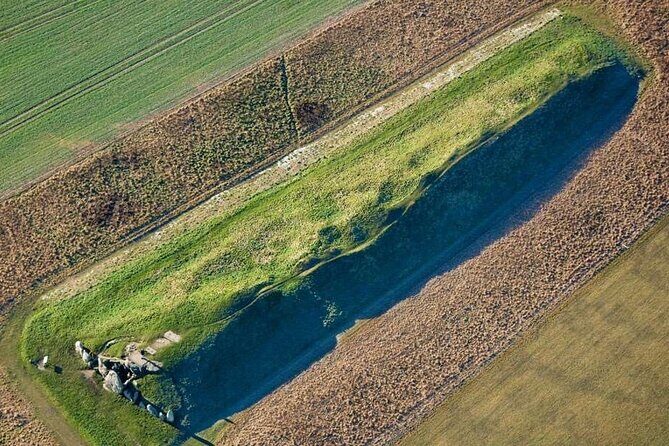
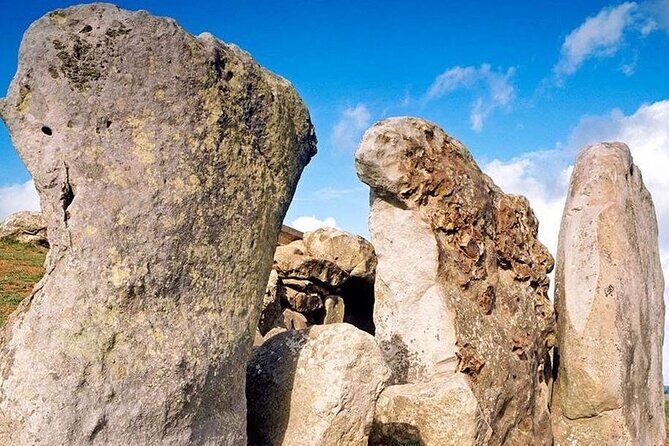
West Kennet Long Barrow is a Neolithic tomb with a burial chamber and an attached passageway, plus side chambers. It’s roofed with large slabs of stone, and the entrance is flanked by two massive upright stones.
This site is about 5,500 years old, built around 3750 BC, and it’s noted as one of the largest and best-preserved long barrows of its type. There have been excavations in recent years, and it’s open to the public.
There’s one timing detail you should know: visits to West Kennet long barrow happen between March 1st and October 31st in the information provided. If you’re traveling outside those dates, you may need to double-check what stops are actually possible on your day.
You’ll spend about 45 minutes here. That’s a good amount of time because long barrows reward slow attention—stone placement, entry shape, and the way the chamber feels more “enclosed” than open-air monuments.
Admission is listed as free.
Avebury Stone Circle: Where the Day Ends With Space to Breathe
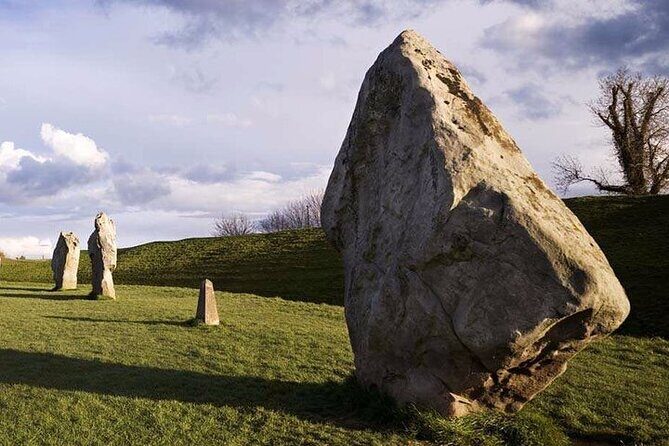
Avebury is a strong closer because it changes the mood. It’s described as the world’s largest stone circle, and it’s tied to a small medieval village inside the circle. That combination of ancient stones and lived-in village streets makes the experience feel less like a fenced museum and more like a place where history overlaps daily life.
You’ll explore the stone circles, walk along the avenue, and finish with time for a drink at the Red Lion pub. It’s also a UNESCO World Heritage Site, and the monument includes three stone circles (outer, plus two smaller ones) and an avenue.
Erection dates in the provided info range from about 2600 to 2400 BC. The guide can help you connect this site to astronomical or ritual ideas, but the real value is how the scale feels when you’re actually in it.
This is where I see the tour’s headline promise—more than guidebook facts—pay off. Avebury invites questions about layout, purpose, and why communities would build and rebuild meaning into the same spaces over centuries.
The stop is about 1 hour listed, and then you’ll drive back to London (about 1 hour 45 minutes).
Admission is listed as free for Avebury.
Value and Pricing: What You’re Really Paying For
The price is $1,782.05 per group for up to 6 people. That makes the math simple: if you fill all seats, you’re around $297 per person before any extra entrances.
Most sites on the day are listed as free admissions, but Stonehenge and Salisbury Cathedral are not included. Stonehenge is £12.70 per person, and Salisbury Cathedral is £5.50 per person, so plan to add those to your total.
So is this expensive? Yes, compared with a bus tour. But the private format is doing real work here:
- you get a dedicated archaeologist guide all day
- you get private pacing across multiple sites
- you avoid the time sinks of public transit and group logistics
- you get luxury transport plus parking and a separate driver
Where it might fall short is guide style. In at least one instance where the guide’s name was Benjamin, the information was described as less detailed than what the tour description implied, feeling more like a regular private guide. In another instance, the name Dr. Shepherd came up in relation to a more satisfying depth of explanation. You can’t control who you’ll get, but you can manage expectations by planning to ask your own questions early.
If your priority is deep explanation and you can travel with a group of friends or family, this is a sensible splurge.
Who This Tour Fits Best (and Who Might Feel Crowded)
This tour is ideal if you:
- want archaeology-led storytelling rather than quick stops
- enjoy asking questions and getting answers on the spot
- can handle a long day and some uneven ground
- want both prehistoric sites and Magna Carta history without extra planning
You might feel less happy if you:
- hate long itineraries packed with multiple sites
- only want the single headline attraction and would rather spend more time there alone
- are very budget sensitive once Stonehenge and the cathedral entrance fees stack up
Weather is handled, but your comfort still depends on clothing. Bring layers, rain protection, and shoes that work on uneven surfaces.
Should You Book This Private Archaeologist Tour?
Book it if you want Stonehenge and Avebury explained in a way that makes you see connections, not just monuments. The private setup, the chance to ask questions, and the fact that you’re also adding Magna Carta and major Wiltshire sites makes this more than a one-note day.
Hold off if you’re only interested in a quick photo run or you can’t add the extra entrance fees. Also, if you want a very specific depth of archaeology detail, consider confirming guide credentials and asking how they tailor their explanations.
Given the overall 4.8/5 rating and 92% recommendation, this is a popular pick for people who care about history and hate rushing.
FAQ
What’s the duration of the tour?
It runs for about 11 hours.
How many people are in the group?
This is a private tour with only your group participating, up to 6 people.
Are pickup and transport included?
Pickup is offered, and transport is included by air-conditioned luxury vehicle with a separate professional driver.
Which entrance fees are not included?
Stonehenge entrance is not included (£12.70 per person), and Salisbury Cathedral entrance is not included (£5.50 per person).
When can you visit West Kennet Long Barrow?
Visits happen between March 1st and October 31st.
Is there walking on uneven ground?
Yes. There is a moderate amount of walking and some uneven surfaces, and it operates in all weather conditions.