REVIEW · SALISBURY
Stonehenge Private Immersive Audio Guide
Book on Viator →Operated by Vidi Guides · Bookable on Viator
Stonehenge can feel like a giant mystery. This self-guided audio experience turns it into a walk you can actually follow. I like the offline download, so you are not stuck hunting Wi-Fi, and I like the GPS map that helps you line up photo spots as you go. The one real catch: you need to bring your own mobile device and headphones, and entry to Stonehenge is not included.
This guide is designed for a private group, so it is just you (no mixing with strangers). Expect about 1 hour total, in English, with the route starting at the Stonehenge entrance area in Salisbury. From there, you move to the Stonehenge Cursus and then back for more context about the burial site and the Beaker People.
In This Review
- Key things to know before you book
- Why this Stonehenge audio format makes sense
- Price and value: $6.87 for context you can carry
- Before you go: what you need to make the audio work
- Entering the Stonehenge area: your first 20 minutes
- Stonehenge Cursus stop: theories and Neolithic life
- Another Cursus segment: burial site and the Beaker People
- GPS map and Instagram-worthy photo stops: how to use them
- How long it takes and when to listen
- Who this tour suits (and who should consider another option)
- Provider note: Vidi Guides
- Quick decision: should you book this Stonehenge audio guide?
- FAQ
- FAQ
- How long is the Stonehenge private audio guide?
- Do I need an entrance ticket to visit Stonehenge?
- Are headphones and a mobile device included?
- Can I use the tour without Wi-Fi?
- Is the tour private?
- Where does the tour start and end?
- Is the audio available in English?
- What’s the cancellation policy?
- When do I receive confirmation after booking?
Key things to know before you book
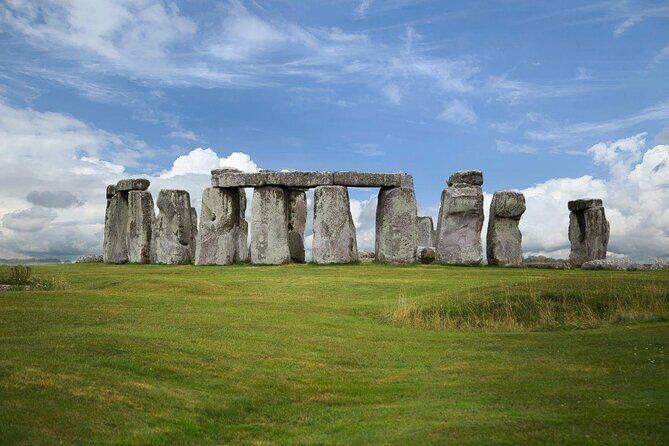
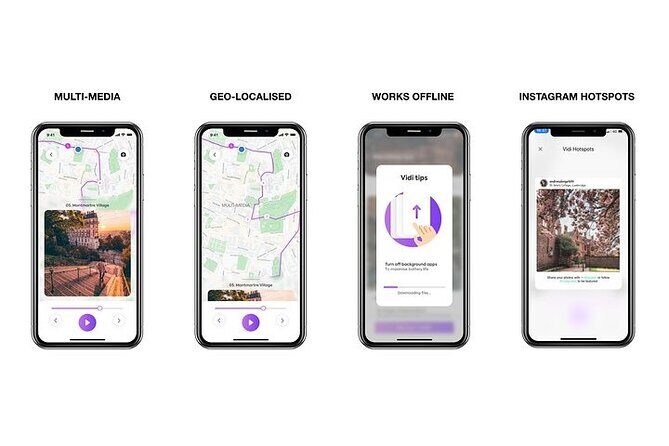
- Offline audio: Download in advance and listen without Wi-Fi, anytime you want.
- GPS help for direction and photos: A location-aware map guides you and points you to picture-ready stops.
- Short, structured stops: Three main segments keep the pacing steady, about 20 minutes each.
- Budget-friendly learning: At $6.87 per person, you get an audio-led way to understand what you are seeing.
- Local historian-style delivery: The audio is provided by a local or historian voice, focused on site meaning.
Why this Stonehenge audio format makes sense
Stonehenge is not the kind of place where you automatically know what matters most. One minute you are looking at stones; the next minute you wonder how anyone ever figured out what they were for. This audio guide is built to answer that question with a clear sequence and plain language.
Instead of rushing you with a big group plan, you follow an audio route with a set start point and timed sections. You spend time right where your questions naturally start: at the entrance area first, then moving outward to the Cursus area for additional context. The best part is that you are not locked into one time slot. Because it is downloadable, you can listen before you arrive to get your bearings, and again later if you want to think through what you heard while you are still in the area.
That flexibility matters for real life. Plans slip. Weather changes. Your energy level changes. This kind of guide lets you adapt without giving up the learning piece.
Other Stonehenge audio guide tours we've reviewed
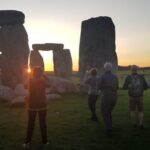
Price and value: $6.87 for context you can carry
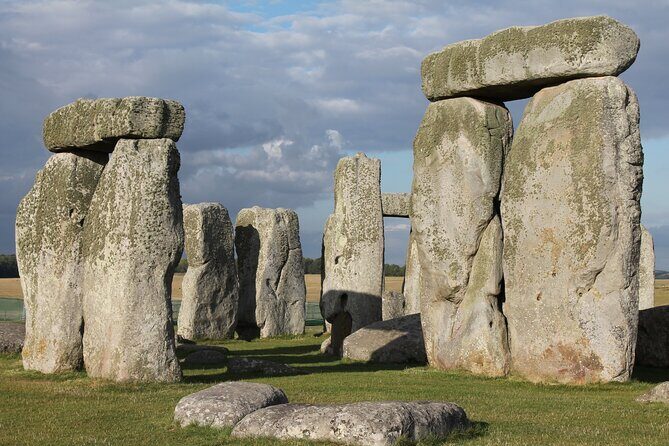
Let’s talk value, because the price is the headline here. At $6.87 per person, this is an inexpensive way to add meaning to your Stonehenge visit without paying for a long, full guided tour.
The value is not just the cost. It is what that cost buys you:
- a self-guided audio route
- offline listening (so your visit does not depend on signal strength)
- a GPS map that helps you find the stops and photo angles
So the math works like this: if you were planning to do any kind of independent reading or audio app anyway, you are basically paying for someone else’s explanations and a structured route. Even if you decide you only use part of it, the audio still helps you connect what you see with what it likely meant in the minds of the Neolithic world.
One thing to keep your expectations aligned: this is not a ticket. Stonehenge admission is not included, so factor that into your total cost.
Before you go: what you need to make the audio work

You have two practical needs to plan for: power and listening gear. The guide itself is straightforward, but the tour does not include your headphones or mobile device. Bring both, and make sure your phone battery is healthy.
I also recommend doing the setup calmly before you start walking. Since the guide is downloadable for offline mode, you want the app ready when you arrive. If your phone is at 10% battery and you are trying to download at the entrance, you will turn a simple experience into a stressful one.
A small but important detail: the audio is location aware. That means you get the best results when you stay on the route and let the GPS-based checkpoints do their job. If you jump around a lot, you may miss the timing cues.
Entering the Stonehenge area: your first 20 minutes
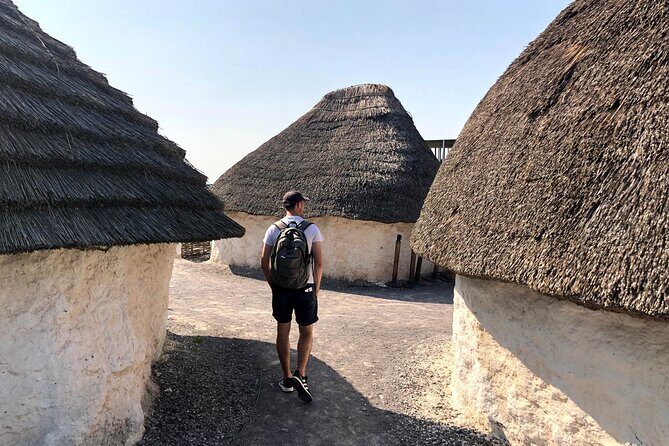
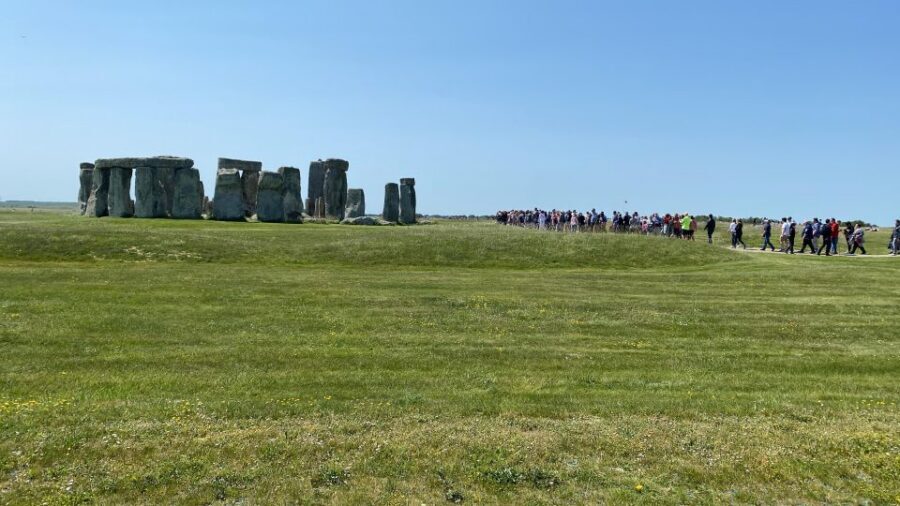
Your route starts at the entrance area for Stonehenge. This first segment is about 20 minutes and is where the guide sets the tone. You are not just being shown a spot—you are getting an authentic, unique insight into the site as a whole.
In practical terms, this start helps you do two things:
- See the stones with a story in your head, not just a list of facts.
- Build questions early, so the later stops feel like answers rather than random detours.
Admission is not included here, so you’ll need your own entry plan for Stonehenge itself. If you arrive without that sorted, you might end up waiting while others are already listening through the opening portion.
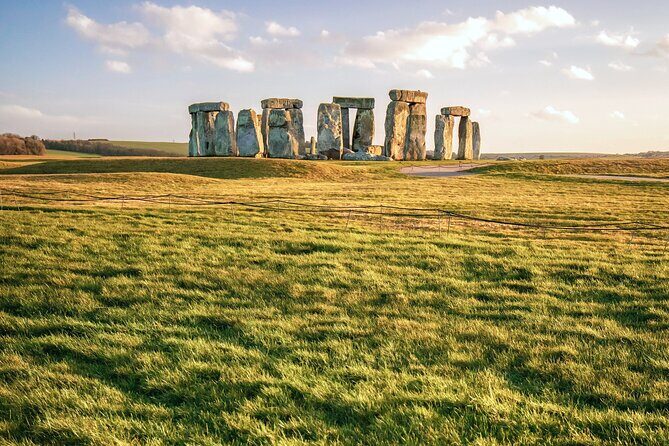
Stonehenge Cursus stop: theories and Neolithic life
Next up is the Stonehenge Cursus segment, again about 20 minutes. This is where the guide shifts from immediate impression to wider context. You will hear theories and learn about Neolithic life as you walk.
This stop is valuable because it changes your focus. You move from the classic Stonehenge view toward the larger picture of how people lived and built meaning into their world. Even if you already know the headline story, this kind of explanation helps you understand why archaeologists keep coming back to places like the Cursus area.
A small expectation-setting note: the audio format means you control the pace. If you stop for photos, take a snack break, or pause to re-check where you are, the segment still works—but your total time will stretch. Plan on that and you will feel fine about it.
Other guided tours in Salisbury

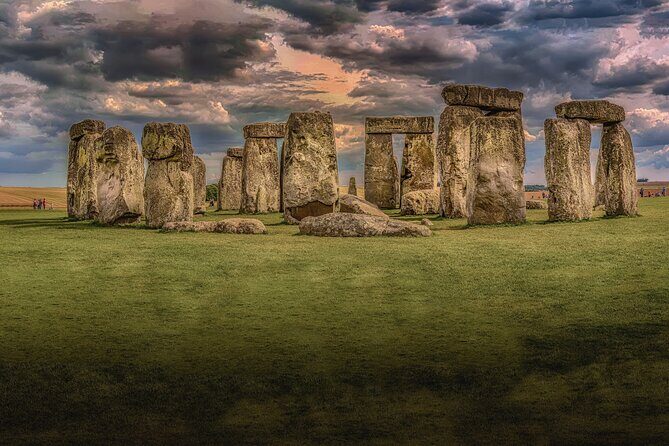
Another Cursus segment: burial site and the Beaker People
The guide then brings you back for another Stonehenge Cursus audio segment, again about 20 minutes. This portion focuses on the burial site and the Beaker People.
This second Cursus stop is where the experience starts to feel like more than just sightseeing. It helps you connect the dots between place, people, and what burial practices could have meant. In other words: you are not only listening to theories; you are also hearing about the people tied to those theories and what the evidence points to.
If you like your history with structure—start here, then go there, then return with another layer—this stop sequencing is easy to follow. If you prefer a more casual, free-form walk, the audio timing might feel a bit like a schedule. You can still pause and restart, but you are choosing a guided route by design.
GPS map and Instagram-worthy photo stops: how to use them
One of the clever features here is the GPS map. It is meant to help you enjoy the sites without getting lost, and it also flags Instagram hotspots—photo-ready spots where you can frame what you came to see.
Here is how I suggest using the map so it helps instead of annoys you:
- Keep your phone at a comfortable height so you can glance quickly.
- Don’t stop moving for long periods while the GPS is recalculating.
- Use the audio checkpoints as your anchor, not the app as your obsession.
The GPS-based approach is especially helpful at Stonehenge because the site is not a one-stone promenade. If you are someone who hates the feeling of wandering without direction, this is a practical way to turn wandering into a plan.
And yes, photos are part of it. But the real payoff is that the photo stops also tend to line up with meaningful viewpoints—places where you can actually understand what you are looking at. You get the picture and the point.
How long it takes and when to listen
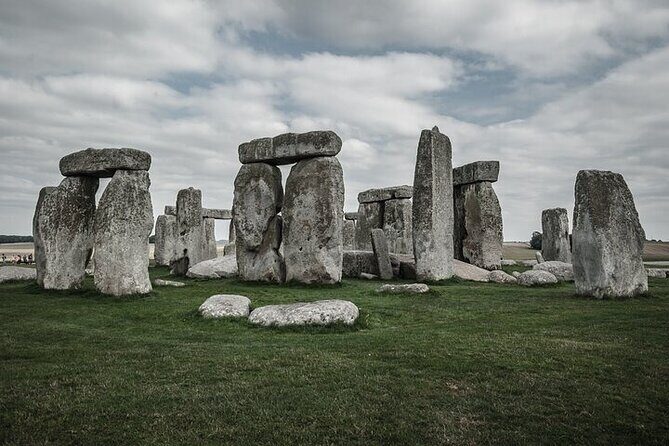
Total duration is listed at about 1 hour. That is realistic if you keep a steady pace and do not spend forever at each photo stop. If you stop often for pictures, the audio still works, but you’ll stretch the visit.
One smart way to handle timing: listen in chunks. Start the first audio segment near the entrance, then let the later segments guide you. If you save part of it for later listening, you can still get the full learning value even if your legs are tired.
Also, the activity is listed with very wide availability (open hours shown as Monday–Sunday, 12:00 AM–11:30 PM). That flexibility helps if you do not want your day ruled by a narrow tour window. If you are visiting in busy season, I’d still plan ahead—this guide is commonly booked about 24 days in advance on average, which is a sign people like the low-cost, low-hassle format.
Who this tour suits (and who should consider another option)
This experience fits best if you want:
- an inexpensive way to learn while you walk
- offline listening so you are not dependent on Wi-Fi
- a guided route without having to listen to someone constantly talking over traffic sounds
It also works well if you are traveling with family, because the app-style approach is generally easier to run without needing high tech skill. A self-paced format can help keep kids (and adults) from feeling dragged along.
Who might want a different approach? If you expect a fully staff-led, conversational guide at every moment, an audio guide will feel less interactive. Also, because headphones and your phone are not included, this is not the best choice if you would rather not bring extra tech.
Provider note: Vidi Guides
The audio tour is provided by Vidi Guides. You can expect a local or historian-style narration through the audio. Since the delivery is through audio (not a live guide voice in the moment), your listening quality will depend on your headphones and your device volume settings.
Quick decision: should you book this Stonehenge audio guide?
Yes, I think you should book if you want good value and you like the idea of controlling your own pace. The combination of offline download plus a GPS map is exactly what makes this kind of guide practical at Stonehenge, where signal issues and wandering can easily kill momentum.
Skip it or switch plans if you:
- don’t want to manage your own phone and headphones
- need the entrance ticket included in your price
- want a live guide who answers questions on the spot
FAQ
FAQ
How long is the Stonehenge private audio guide?
It lasts about 1 hour.
Do I need an entrance ticket to visit Stonehenge?
No. Entrance to Stonehenge is not included.
Are headphones and a mobile device included?
No. You’ll need to bring your own headphones and mobile device.
Can I use the tour without Wi-Fi?
Yes. You can download the tour in advance for offline mode.
Is the tour private?
Yes. It’s private, so only your group participates.
Where does the tour start and end?
It starts at Stonehenge, Salisbury, SP4 7DE, UK, and ends back at the meeting point.
Is the audio available in English?
Yes. The guide is offered in English.
What’s the cancellation policy?
You can cancel for free up to 24 hours in advance of the experience start time for a full refund.
When do I receive confirmation after booking?
Confirmation is received at the time of booking.